
In today’s digital age, the way we consume television content has transformed significantly. Internet Protocol Television delivers content through the internet, allowing viewers to enjoy their favourite shows without the need for traditional cable or satellite services. This modern approach enables Irish viewers to access live broadcasts, stream video-on-demand, and even enjoy time-shifted programming on any internet-connected device.
Unlike merely watching videos on public websites, IPTV operates on a managed network. This ensures a consistent and high-quality streaming experience for households across Ireland. With IPTV, the viewing experience becomes interactive, offering features like pause, rewind, and personalised recommendations that are often lacking in conventional television.
Understanding the fundamentals of IPTV is crucial for anyone considering a shift away from traditional pay-TV providers. In this guide, I will delve into how this technology works, the various services available, and the unique benefits it offers to viewers in Ireland.
Key Takeaways
- IPTV provides television content via the internet, offering flexibility and convenience.
- It operates on a managed network, ensuring high-quality streaming for users.
- Viewers can access live broadcasts, video-on-demand, and time-shifted programming.
- The service enhances the viewing experience with interactive features.
- Understanding IPTV is essential for making informed choices about television services.
Introduction to IPTV and the Irish Context
A new era of television has emerged, reshaping the viewing habits of audiences across Ireland. This shift towards IPTV has provided viewers with unprecedented freedom and flexibility in how they consume their favourite content. The technology has matured significantly, positioning itself as a viable alternative to traditional services like Sky, Virgin Media, and Saorview.
As I delve into the current state of broadband infrastructure, it becomes clear that the rollout of fibre-optic connections by providers such as SIRO, Virgin Media, and Open Eir has made high-quality streaming accessible to more households than ever before. This advancement is crucial, as it allows viewers to enjoy seamless streaming experiences without the frustrations of buffering or interruptions.
One reason for the growing popularity of IPTV in Ireland is the dissatisfaction with expensive cable and satellite subscriptions. Many viewers find themselves paying for numerous channels they rarely watch. IPTV addresses this concern by offering tailored packages that cater to individual preferences, ensuring that viewers only pay for the content they truly desire.
Furthermore, there has been a cultural shift towards on-demand viewing habits. Irish audiences increasingly expect the flexibility to watch content whenever and wherever they choose, rather than adhering to rigid broadcast schedules. This demand for convenience has driven the adoption of IPTV services, which excel in providing a diverse range of content.
Irish consumers are becoming more aware that IPTV services can grant access to a broader selection of channels, including international options and niche programming that traditional providers may not offer. The rise of smart TVs and streaming devices, combined with high-speed broadband in Irish homes, has created the perfect environment for IPTV to flourish.
The influence of major global streaming platforms like Netflix and Disney+ has also played a role in familiarising Irish viewers with internet-delivered television. This familiarity paves the way for more comprehensive IPTV services to enter the market, offering enhanced content choices and improved user experiences.
In conclusion, while the technology behind IPTV may seem complex, the user experience is designed to be intuitive and accessible for everyone. As we move forward, I will provide detailed technical explanations and insights into the various aspects of IPTV, ensuring that readers are well-informed about this exciting shift in television viewing.
Understanding What is IPTV
Recent advancements in technology have revolutionised how we engage with television content. One of the most significant innovations in this space is Internet Protocol Television, commonly referred to as IPTV. This system delivers television content over an IP network, moving away from traditional cable, satellite, or terrestrial signals.
To clarify, Internet Protocol refers to the method of sending and receiving data over the internet. IPTV operates by utilising the same infrastructure that supports emails and websites, but with a crucial distinction in data management. Unlike standard internet video, which can suffer from buffering, true IPTV functions on a managed network. This means your internet service provider allocates a specific portion of bandwidth solely for IPTV, creating a high-speed lane for video traffic.
In contrast to traditional cable and satellite TV, which broadcast all channels simultaneously to every subscriber, IPTV only transmits the specific channel or programme that a viewer requests. This targeted approach not only improves efficiency but also enhances the overall viewing experience.
In Ireland, services like Virgin Media and Sky rely on physical infrastructure, such as coaxial cables and satellite dishes. However, IPTV leverages existing broadband connections to deliver video content directly to viewers. This transition allows for a more flexible and streamlined service.
It’s essential to differentiate true IPTV services from over-the-top (OTT) platforms like Netflix, which use the public internet. Managed IPTV offers superior reliability and quality of service, ensuring that viewers enjoy a seamless experience, even during peak usage times.
Additionally, many modern smart TVs and streaming devices can run IPTV applications directly, reducing the need for a set-top box. This not only cuts down on equipment costs but also minimises clutter in living rooms across Ireland.
Despite some misconceptions, it’s important to understand that IPTV technology is legitimate and widely used by major broadcasters and telecom companies globally. It is distinct from illegal streaming websites, which often provide unreliable and subpar content.

For a deeper dive into how IPTV works, including its infrastructure and technology, feel free to explore more about IPTV services.
How IPTV Works: Technology and Infrastructure
The mechanics behind modern television delivery are complex yet fascinating. Understanding how content moves from broadcasters to viewers involves three critical stages: content acquisition and encoding, streaming delivery, and playback on various devices.
Content Acquisition and Encoding
In the first stage, live channels and on-demand titles are processed at the operator’s central facility, known as the “headend.” Here, the content is encoded into formats suitable for internet protocol television using advanced codecs such as H.264, H.265, and the emerging AV1. This process also generates adaptive bitrate (ABR) profiles, which allow the video stream to adjust its quality based on the viewer’s connection speed. This feature is particularly beneficial for rural Irish households, where broadband performance can vary significantly.
Streaming Delivery: Servers, Middleware, and Networks
Once encoded, the streams pass through a content management system and IPTV middleware. This software is responsible for managing channel lineups, the Electronic Program Guide (EPG), user authentication, billing, and digital rights management (DRM). Content is then distributed over the operator’s managed IP network. For live channels, multicast technology is often employed, sending a single stream to multiple recipients simultaneously. This method enhances bandwidth efficiency compared to traditional broadcasting methods.
Playback Devices and Software
The final stage involves playback on the viewer’s device. Whether using a set-top box, smart TV app, or mobile application, the device decodes the stream and renders it on the screen. Interactive features such as pause, rewind, and time-shifted viewing are managed by the middleware. Since IPTV operates over existing broadband, fibre, or DSL infrastructure, it is remarkably bandwidth-efficient. The use of multicast technology ensures that a single live channel does not need to be resent for each viewer.
Overall, the importance of a stable internet connection cannot be overstated. With fibre-optic broadband becoming increasingly available across Ireland, it provides an ideal foundation for high-quality IPTV streaming. This technical elegance allows IPTV to run over existing broadband networks without the need for the costly physical infrastructure associated with traditional cable and satellite television services.
| Stage | Description |
|---|---|
| Content Acquisition | Live channels and on-demand titles are encoded at the headend using codecs like H.264 and H.265. |
| Streaming Delivery | Encoded streams are managed via middleware and distributed over the operator’s IP network using multicast and unicast methods. |
| Playback | Viewers use devices like set-top boxes or smart TVs to decode and display the content with interactive features. |
Types of IPTV Services: Live TV, Video on Demand and More
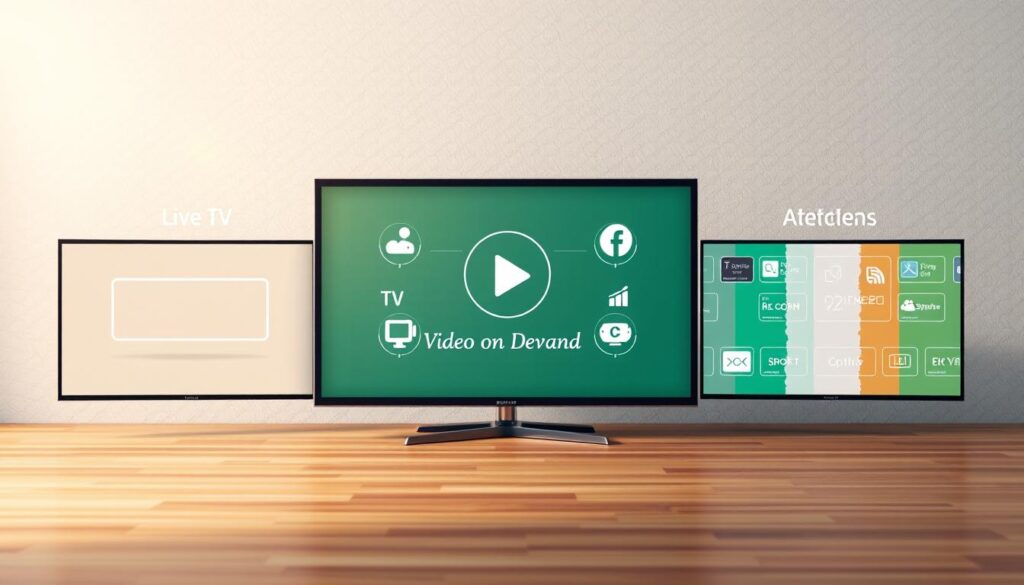
The landscape of television services has evolved, presenting a variety of options for viewers seeking tailored entertainment experiences. IPTV offers distinct types of services that cater to different preferences, ensuring that every viewer finds something to enjoy.
Live IPTV: Watching Events in Real Time
Live IPTV serves as a direct replacement for traditional live television broadcasting. It allows viewers to watch events as they happen, including live sports, news broadcasts, concerts, and award shows. This form of IPTV is technically demanding, requiring a stable, high-speed internet connection to deliver streams in real-time with minimal delay or buffering.
Video on Demand (VOD): Streaming Anytime
Video on Demand, or VOD, allows users to select and watch video content whenever they choose. This includes a vast library of movies, TV shows, and other multimedia content that can be streamed instantly. Popular services like Netflix, Amazon Prime Video, and Disney+ exemplify how VOD gives viewers complete control over their viewing experience.
Time-Shifted TV (Catch-Up Services)
Time-shifted IPTV, often referred to as catch-up TV, enables viewers to watch previously broadcasted shows at their convenience. This feature differs from VOD as it typically offers content for a limited time after the original broadcast. For instance, platforms like RTÉ Player and BBC iPlayer allow users to catch up on missed programmes, usually available for 30 days after airing.
Near Video on Demand (NVOD): Scheduled Streaming Options
Near Video on Demand (NVOD) provides scheduled broadcasts of popular movies or shows at staggered start times. Unlike true VOD, NVOD allows viewers to join a programme at various intervals, functioning like an online cinema. This service is particularly beneficial for those who prefer watching content at their convenience without waiting for a specific time.
Overall, the diversity of IPTV services empowers Irish viewers to build a personalised entertainment package. From live channels that offer interactive features to on-demand movies and catch-up programming, the options available ensure that traditional television subscriptions can no longer compete with the flexibility and variety IPTV provides.
Devices for IPTV in Ireland: Set-Top Boxes, Smart TVs and Apps
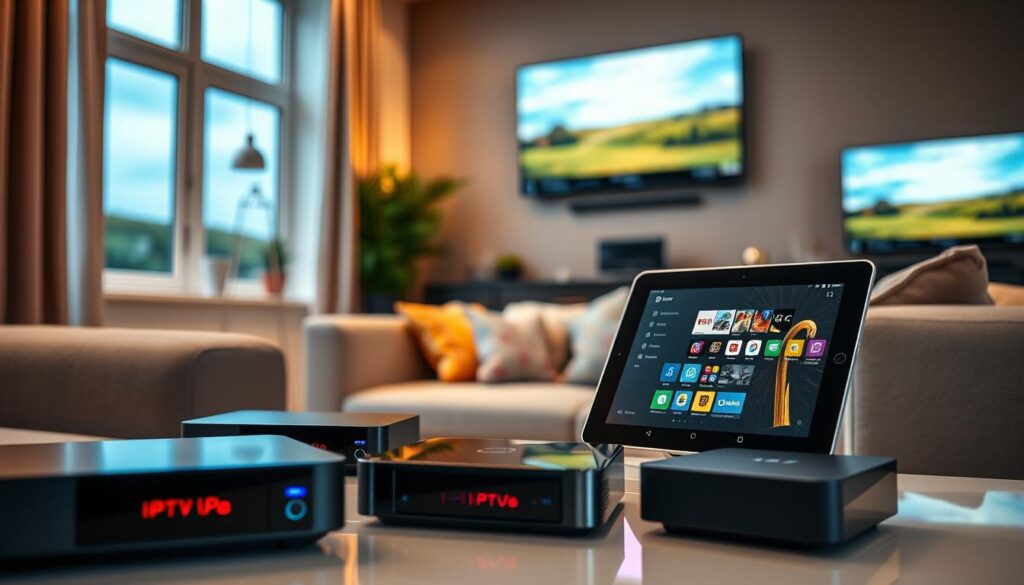
The range of devices available for IPTV has expanded, offering Irish viewers numerous ways to enjoy their favourite shows. From dedicated set-top boxes to smart TVs and mobile devices, the options cater to diverse preferences and lifestyles.
Set-Top Boxes Explained
A set-top box is a compact device that connects to your television and decodes the IPTV stream delivered over your internet connection. It receives the operator’s signal, handles authentication and decryption, and renders the channel lineup or on-demand library on your screen.
Popular options for Irish consumers include the MAG box series, Formuler boxes, and various Android-based alternatives. Each of these devices offers unique features and capabilities, ensuring a tailored viewing experience.
Smart TV Applications and Streaming Devices
Modern smart TVs from brands like Samsung (Tizen), LG (webOS), and Sony (Android TV) come equipped with built-in app stores. This allows Irish viewers to download IPTV apps directly, eliminating the need for additional hardware. By using these apps, you can access a wide range of content seamlessly.
Additionally, streaming devices such as the Amazon Fire TV Stick, Apple TV, Google Chromecast, and Roku have gained popularity in Irish homes. These devices can run IPTV applications, transforming any television with an HDMI port into an IPTV-ready screen.
Using Smartphones, Tablets and Computers for IPTV
Smartphones and tablets have also become legitimate IPTV viewing devices. This enables Irish viewers to watch their favourite programmes on the go, whether commuting on Dublin Bus, relaxing in a café, or travelling abroad.
Furthermore, computers—both desktops and laptops—can serve as IPTV playback devices through dedicated applications or web-based portals. This flexibility is ideal for viewers who prefer a larger screen but do not own a smart TV.
Choosing the right IPTV provider is crucial. Opt for providers that offer multi-device support, ensuring you can start watching a programme on your living room television and continue on your smartphone without interruption.
In conclusion, selecting the appropriate device setup is essential based on individual needs. Consider factors such as budget, technical comfort level, existing equipment, and the specific IPTV services you wish to access.
IPTV vs Traditional TV in Ireland: Key Differences
The landscape of television consumption in Ireland has shifted, revealing stark contrasts between traditional and internet-based viewing methods. As I explore these differences, it becomes clear that each option offers unique advantages and challenges for viewers.
Viewing Flexibility and Content Control
One of the most significant advantages of IPTV is its flexibility. Viewers can watch what they want, when they want, on any device. This contrasts sharply with traditional cable and satellite services, which adhere to fixed broadcast schedules. With IPTV, the viewer has the power to choose from a vast library of content, including live and on-demand options.
Traditional television operates as a one-way street. The broadcaster sends a signal, and you receive it. In contrast, IPTV provides a two-way, interactive experience. This interactivity allows for features like personalised recommendations and advanced Electronic Program Guides, enhancing the overall viewing experience.
Cost Comparison and Subscription Models
When it comes to costs, IPTV services often present a more affordable option than traditional cable or satellite TV. Many traditional providers require long-term contracts and impose hidden fees. In contrast, IPTV typically offers flexible subscription models, allowing viewers to pay only for the content they desire without being tied to a lengthy commitment.
Furthermore, many IPTV services operate on a month-to-month basis, enabling viewers to change their subscriptions easily. This flexibility is a significant draw for those who wish to avoid the bloated channel bundles often associated with traditional packages.
Channel Availability and Quality of Service
In terms of channel availability, traditional Irish TV providers like RTÉ and Virgin Media offer comprehensive local content. However, IPTV services can provide access to a broader range of international channels and specialised programming. This expanded selection caters to diverse viewer interests and preferences.
Quality of service is another area where IPTV shines. A stable fibre broadband connection can deliver IPTV streams in high definition and even 4K, matching or exceeding the picture quality of cable and satellite broadcasts. While traditional TV services are less dependent on internet connectivity, IPTV requires a robust broadband connection to ensure consistent, buffer-free viewing.
In conclusion, the choice between IPTV and traditional television ultimately depends on individual viewing habits and preferences. As Irish viewers consider making the switch, understanding these key differences will empower them to make informed decisions about their entertainment options.
Legal Considerations for IPTV Viewers in Ireland
Understanding the legal landscape of television streaming is essential for Irish viewers navigating the world of IPTV. While the technology itself is completely legal, the legality of the content being streamed hinges on proper licensing. Licensed IPTV providers operate similarly to traditional cable or satellite operators, paying for content rights and adhering to regional broadcast regulations.
These legitimate services maintain a registered business presence, publish clear terms of service, and offer transparency regarding the channels they provide. They accept standard payment methods, such as credit cards and PayPal, ensuring a secure experience for subscribers.
Licensed vs. Unlicensed IPTV Services
It is crucial to distinguish between licensed and unlicensed IPTV services. Licensed providers ensure that they operate within the law, while unlicensed services often promise vast channel selections at suspiciously low prices. These unlicensed services may only accept payments through cryptocurrency or anonymous methods, and they frequently change names to avoid detection.
Risks of Using Illegal IPTV Services
Using unlicensed IPTV services can expose viewers to significant risks. These include:
- Malware bundled with unofficial player apps.
- Payment fraud, where users may lose money without recourse.
- Sudden service shutdowns, leaving subscribers without access.
- Lack of customer support, making it difficult to resolve issues.
- Internet Service Providers (ISPs) may throttle or block known unlicensed streams.
How to Identify Reputable IPTV Providers
To ensure a safe and legal IPTV experience, I recommend looking for reputable providers that:
- Offer official apps available on recognised app stores.
- Have professional websites with clear terms of service.
- Provide transparent information about their content licensing arrangements.
While a VPN can enhance privacy, it does not make accessing unlicensed IPTV streams legal, nor does it mitigate the associated security risks. Irish viewers should prioritise legitimate, licensed IPTV services to avoid potential legal consequences and security pitfalls.
In recent years, authorities in Ireland and the broader EU have taken action against unlicensed IPTV resellers. Therefore, being informed about the legal landscape will empower Irish consumers to make safe choices in their IPTV journey.
| Aspect | Licensed IPTV Services | Unlicensed IPTV Services |
|---|---|---|
| Content Licensing | Properly licensed | Often unlicensed |
| Payment Methods | Standard methods (credit cards, PayPal) | Cryptocurrency or anonymous methods |
| Customer Support | Available | Often absent |
| Risks | Low | High (malware, fraud) |
Benefits of IPTV for Irish Viewers
The evolution of television technology has unlocked a plethora of benefits for viewers in Ireland. IPTV services provide an impressive array of features that enhance the overall viewing experience. From extensive content libraries to flexible viewing options, the advantages are clear.
Access to a Wide Range of Content
One of the most significant benefits of IPTV is the access it provides to a wide variety of content. Irish viewers can enjoy live sports, including Premier League and GAA matches, alongside international news channels and entertainment networks. This breadth of options often surpasses what traditional Irish TV providers can offer.
Flexibility and Convenience Across Devices
IPTV offers unparalleled flexibility. Viewers can start watching a programme on their smart TV at home, continue on their smartphone during a commute, and finish on a tablet in bed. This seamless continuity ensures that you can enjoy your favourite shows anytime, anywhere.
Cost-Effectiveness Compared to Traditional TV
In terms of cost, IPTV often proves to be more affordable than traditional cable or satellite TV. By opting for slimmer channel bundles, viewers can save money and avoid equipment rental fees. Many IPTV services offer flexible subscription plans, allowing users to pay only for what they want.
Advanced Features: Pause, Rewind, and Interactive Guides
IPTV enhances the viewing experience with advanced features such as the ability to pause and rewind live television. Users can access cloud DVR functionality without the need for additional hardware. Interactive Electronic Program Guides also offer personalised recommendations, making it easier to discover new content.
Moreover, the multi-device compatibility of IPTV transforms the viewing experience for Irish families. Different household members can watch their preferred programmes simultaneously on their chosen devices without conflict. This flexibility is a game-changer in today’s diverse viewing habits.
Finally, many IPTV services deliver superior picture quality, offering high-definition and even 4K streaming. Provided you have a stable internet connection, the quality often matches or exceeds that of traditional broadcasts. Overall, the combination of content variety, viewing flexibility, cost savings, and advanced features makes IPTV an increasingly compelling choice for Irish viewers seeking more control over their television experience.
Challenges and Solutions in Using IPTV in Ireland
While IPTV offers many benefits, Irish viewers encounter specific challenges that can affect their viewing experience. Understanding these challenges is essential for maximising the advantages of this technology.
Internet Connection Requirements and Solutions
A stable and fast internet connection is crucial for a smooth IPTV experience. Poor connectivity can lead to buffering, interruptions, and low-resolution streaming. For standard-definition (SD) streaming, a speed of at least 3-5 Mbps is generally recommended. For high-definition (HD) content, a minimum of 10-15 Mbps is advisable. If you are looking to enjoy 4K Ultra HD streaming, ensure your connection is at least 25 Mbps or higher.
For households with slower broadband connections, consider upgrading to fibre-optic packages from providers like SIRO, Virgin Media, or Open Eir. Additionally, using adaptive bitrate streaming can automatically adjust the quality based on your connection. Scheduling downloads during off-peak hours can also improve your overall experience.
Content Licensing and Regional Restrictions
Content licensing poses another challenge for IPTV providers. They must negotiate separate licensing deals for different territories, which can result in certain channels or programmes being unavailable to Irish viewers due to geographic limitations. This can be frustrating for users who wish to access specific content.
Legitimate IPTV providers utilise technologies such as Digital Rights Management (DRM), watermarking, and advanced encryption to protect content from unauthorised access. These measures ensure compliance with licensing agreements governing how and where content can be distributed.
Ensuring Service Reliability and Avoiding Buffering
Service reliability is paramount for an enjoyable IPTV experience. To avoid buffering, I recommend using wired Ethernet connections whenever possible. Positioning your Wi-Fi router optimally can also enhance signal strength.
Choosing IPTV providers that invest in robust server infrastructure and Content Delivery Networks (CDNs) is essential. Look for providers with redundancy systems and real-time network performance monitoring. These technical measures translate into a smoother, more reliable viewing experience with minimal downtime.
During peak usage times, network bandwidth can become a challenge. Technologies such as multicast streaming for live channels and adaptive bitrate delivery for on-demand content help maintain quality even when internet traffic is high.
In conclusion, while these challenges are real, they are increasingly manageable as Ireland’s broadband infrastructure continues to improve. IPTV technology is maturing, making the service more accessible and reliable for viewers across the country.
Conclusion
In conclusion, the evolution of television technology has opened up new possibilities for how we enjoy our favourite shows. IPTV represents a fundamental shift for Irish viewers, offering greater flexibility and more choices than traditional cable and satellite services.
Understanding this technology is essential for anyone considering cutting the cord. The advancements in IPTV services have led to a cohesive experience that combines live channels, video-on-demand, and interactive features.
Looking ahead, trends like AI-driven personalisation and deeper interactivity will further enhance the viewing experience. I encourage you to consider your internet quality, viewing habits, and content preferences when choosing a service.
Finally, selecting licensed providers is crucial for a safe and reliable experience. The question is no longer whether IPTV is a viable option, but how to select the right service to transform your television experience.